Will AI Replace Jobs in Australia? Myths vs. Reality
Will AI take Australian jobs? We debunk the myths and separate fact from fiction, we look at the endangered roles, and we find out how you can future-proof your career in the age of AI
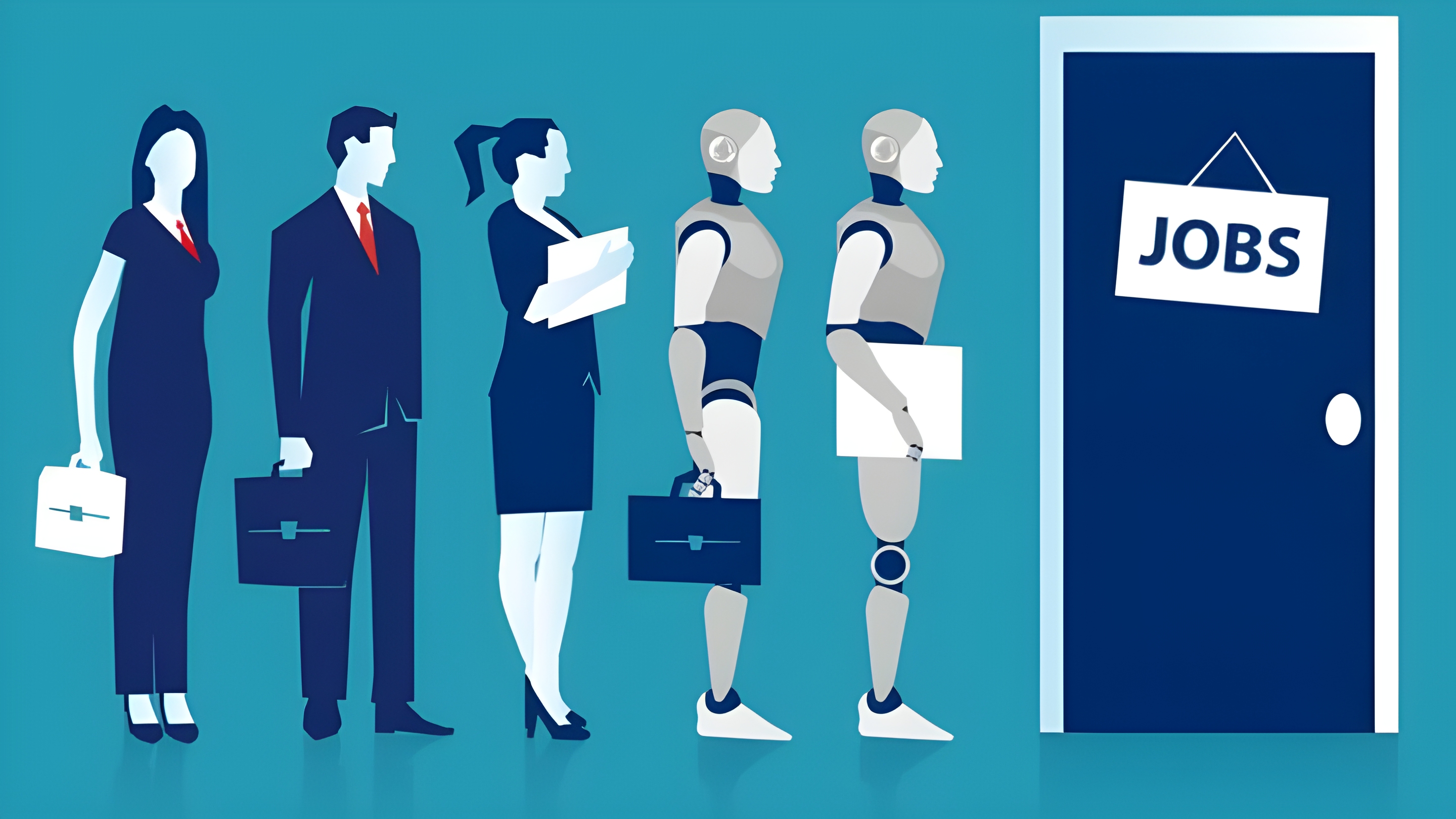
Will AI Replace Jobs in Australia? Myths vs. Reality
Will AI Take our Jobs in Australia? Myths vs. Reality
Introduction
Australia, like anywhere else in the world, is experiencing artificial intelligence (AI) disruption across all industries. As AI, automation and machine learning make huge advancements, many Aussies are left wondering: Will AI steal my job?
Some worry about mass unemployment, while others believe AI will create new jobs. So, what’s the truth? This blog untangles myths from reality, discusses the roles that are at greatest risk and explains how workers can adjust.
Myth #1: Every Human Job Will Be Replaced by AI
The Real-World: AI Will Change Jobs, Not Eradicate Them Completely
- Historical background: Just as computers didn’t destroy jobs but transformed them, AI will remold work rather than eliminate it.
- By 2030, McKinsey estimates that 14% of workers around the world will have to change jobs because of AI — but new roles will surface.
- In Australia, it once again healthcare, finance, and IT that will experience AI supplementing jobs rather than displacing them.
Jobs Most Affected by AI
Most-Risk Jobs (Automation-Prone)
- Data entry clerks
- Telemarketers
- Simple customer service jobs (replaced by bots)
- Entry level manufacturing jobs
Moderate-Risk Jobs (AI-Assisted Evolution)
- accountants (the AI does the math, the humans come up with the strategy)
- Paralegals (AI document review, but humans are still crucial)
- Retail cashiers (self-checkout is expanding, but workers can be reassigned to customer experience positions)
Low-Risk Jobs (Human-oriented professions)
- Medical staff ( doctors, nurses – needed empathy and had to take difficult decision)
- Teachers (personalized learning with AI tools, although the human touch helps)
- Tradespeople (electricians, plumbers – physical work is tough to automate)
- Creative professionals (writers, designers — AIs can help, but can’t actually generate creative, original work)
Why? AI is great at repetitive, rule-based tasks, but it is not very creative, emotionally intelligent or a particularly good problem solver when the problems are complex.
Myth #2: Only Unskilled Labor Is in Danger
Fact: Even White-Collar Workers Are Changing
- Legal: Document Review is now performed by AI-enabled tools at major Aus law firms and reduces the workload on junior lawyers by 30-50%.
- Accounting: Software such as Xero and QuickBooks AI is automating bookkeeping and taking accountants into advisory roles.
- Finance: 60% of Australia’s banks now utilise AI to detect fraud, but human oversight is crucial for complex cases.
Example: ANZ Bank’s AI processes loan applications 80% faster, yet it is loan officers who ultimately decide whether to approve borderline cases.
Myth #3: Artificial Intelligence in Australia Will Create Mass Unemployment
Reality: AI Will Create New Jobs
According to the World Economic Forum, AI is expected to generate 97 million new jobs worldwide by 2025.
We are already seeing some emerging roles in Australia, such as:
- As new AI trainers (teaching AI systems how to act)
- Ethicists of data (making sure AIs are used responsibly in businesses)
- Managers of human–AI collaboration (attending to how teams engage AI tools)
Case Study: Telstra’s AI chatbot “Codi” manages 70% of its basic inquiries, freeing up human agents to focus on more complex customer issues – and boosting customer satisfaction scores by 20%.
How Australians Can Future-Proof Their Career
1. AI & Digital Literacy Upscaling
- Free resources: Google's AI Fundamentals, Microsoft's AI training modules 1,2,3 opportunities to engage 1,300 businesses expressed an interest in seeing AI as a skill to gain for a group of people.
- Certifications: AWS AI/ML, TensorFlow developer certification This is a TCS Codevita Problem.
2. Learn skills that only humans have
Focus on skills that AI can't copy:
- Solving hard problems
- Emotional smarts
- Thinking outside the box
- Working together and being a leader
3. Accept hybrid roles
For instance, a digital marketer who learns how to use AI analytics tools is three times more valuable than one who doesn't.
4. Stay Ahead of Industry Shifts
- Receive Australia’s AI Ethics Framework updates
- Track government automation policies and workforce transitions
Conclusion: AI is a co-worker not a rival
The future isn’t humans versus AI – it’s humans plus AI. Those Australian workers who do adapt will be better placed than they’ve ever been.
Key Takeaway:
"AI won't take your job - but it will change what you do. The winners will be the people who can figure out how to work with it.”
What's Next?
- Which Australian sectors are embracing AI most rapidly?
- How small businesses can use AI without losing their human touch
Give us your opinions below! Are you incorporating A.I. in your work? How has it changed your role?